Omanghana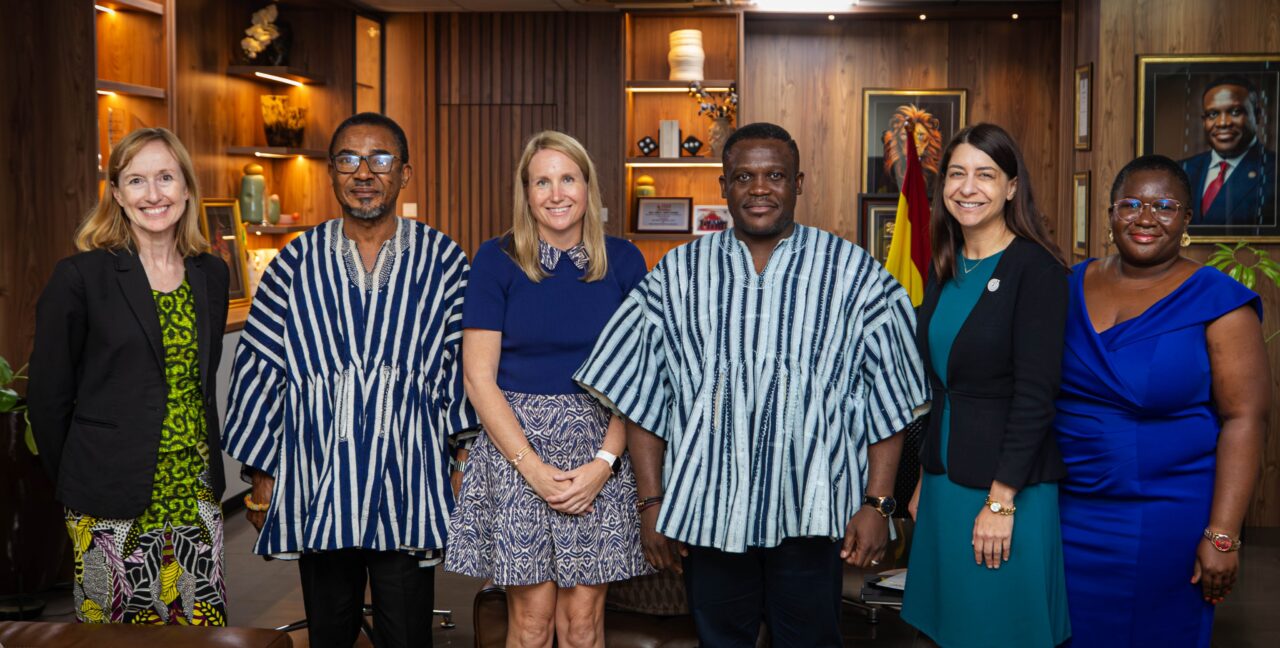
Ghana and the United States have reaffirmed their commitment to strengthening digital cooperation following a high-level meeting in Accra between Ghana’s Minister for Communication, Digital Technology and Innovations, Hon. Samuel Nartey George, and a senior U.S. government delegation.
The discussions focused on expanding bilateral collaboration in digital infrastructure, satellite connectivity, artificial intelligence, and workforce development, while also marking a significant milestone for Ghana as host of the first-ever United States Telecommunication Training Institute (USTTI) Satellite Connectivity training program on African soil.
Ghana Hosts Landmark Satellite Connectivity Training
A key highlight of the visit was the successful implementation of the USTTI Satellite Connectivity training program, which brought together telecommunications policymakers, regulators, and industry leaders from across the continent.
Representatives from 19 African countries participated in the specialized program, designed to strengthen policy and regulatory frameworks that support universal broadband access and the safe deployment of advanced satellite communication services.
The training was delivered through a partnership involving the U.S. National Telecommunications and Information Administration (NTIA), Ghana’s National Communications Authority (NCA), and experts from the U.S. Federal Communications Commission (FCC).
Officials described the initiative as a major step toward enhancing Africa’s capacity to develop modern telecommunications policies and expand digital inclusion.
Focus on Responsible Satellite Governance
During the bilateral discussions, Minister Samuel George emphasized the importance of establishing strong regulatory frameworks to guide the growing satellite communications sector.
According to the minister, Ghana is committed to ensuring that satellite broadband services contribute to fair market competition, promote innovation, and protect national security interests.
The discussions explored ways both countries can collaborate on policy development and regulatory best practices as emerging satellite technologies continue to transform global connectivity.
Advancing Artificial Intelligence and Digital Innovation
The meeting also addressed Ghana’s ambitions in artificial intelligence and digital transformation.
Minister George briefed the U.S. delegation on the country’s developing national AI strategy and ongoing legislative reforms aimed at modernizing public sector operations. These reforms are expected to improve efficiency, reduce operational costs, and encourage greater infrastructure sharing among government institutions.
Both sides recognized the growing importance of responsible AI governance and the need for international cooperation to ensure emerging technologies deliver broad economic and social benefits.
Building a Skilled Digital Workforce
Workforce development emerged as another major theme of the discussions.
Officials highlighted Ghana’s One Million Coders Program, an ambitious national initiative designed to equip young people with advanced coding and digital skills required for the rapidly evolving technology sector.
The program seeks to prepare a new generation of software developers, engineers, and digital entrepreneurs capable of driving innovation and supporting the growth of Africa’s digital economy.
Participants noted that investing in human capital will be critical to achieving long-term competitiveness and positioning Ghana as a regional technology leader.
High-Level U.S. Delegation Participates
The American delegation included senior officials from the NTIA, among them Chief of Staff Brooke Donilon and Associate Administrator Jaisha Wray, who engaged Ghanaian counterparts on a range of technology policy issues.
The visit underscored the growing strategic importance of digital cooperation between the two countries and reflected broader efforts to strengthen U.S.-Africa partnerships in technology, connectivity, and innovation.
Positioning Ghana as a Regional Technology Hub
The outcomes of the meeting align with Ghana’s broader vision of becoming a leading technology and innovation hub in Africa.
Through investments in satellite connectivity, responsible digital governance, artificial intelligence, and large-scale workforce training, Ghana is seeking to accelerate digital transformation while creating new economic opportunities for its citizens.
Officials from both countries expressed optimism that continued collaboration will help expand access to digital services, foster innovation, and support sustainable economic growth across the region.
Source: Omanghana