Omanghana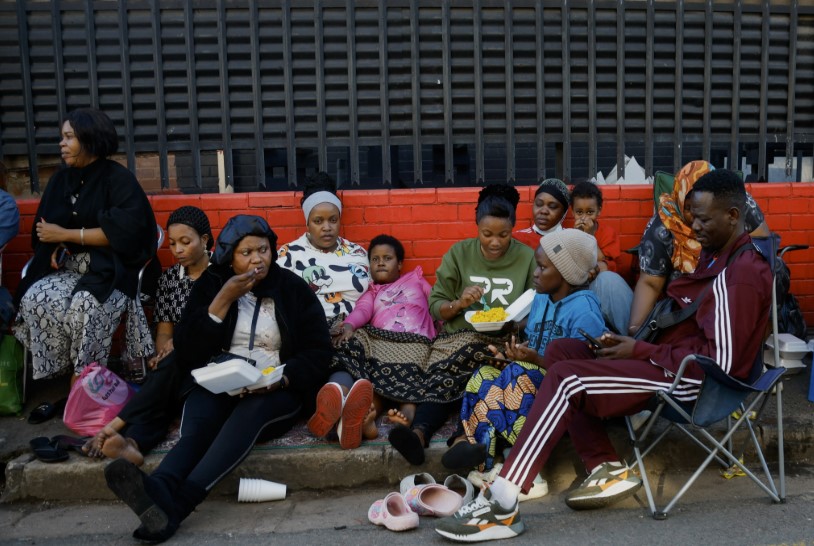
A surge in anti-immigrant violence in South Africa has left many Ghanaian nationals and other African migrants homeless after their businesses were looted and destroyed, deepening concerns over the humanitarian and economic impact of the unrest.
The attacks, reportedly driven by vigilante groups and anti-immigration campaigns, have targeted foreign-owned enterprises in several major cities, forcing hundreds of people to abandon their livelihoods and seek shelter wherever they can.
Businesses Destroyed, Families Displaced
The violence has primarily affected small businesses, informal shops, and service establishments operated by foreign nationals in urban centers including Durban, Johannesburg, and Pretoria.
Among those impacted is Princess Adjei, a 33-year-old Ghanaian woman who has lived in South Africa since childhood. According to widely reported accounts, her hair salon in Durban was looted and stripped during the unrest, leaving her without a source of income.
Unable to afford housing after losing her business, Adjei and her 14-year-old son are reportedly among a group of around 200 African migrants sheltering outside the Department of Home Affairs while seeking assistance and protection.
Elsewhere, some migrants have reportedly fled affected communities altogether, seeking refuge in remote areas to avoid attacks and intimidation.
Rising Tensions Ahead of June 30
The situation has intensified amid public calls by certain anti-immigration groups demanding that foreign nationals leave South Africa by June 30, 2026.
Many of those affected, however, are legally resident in the country and possess valid immigration documentation. Despite this, migrants from across Africa have reported being targeted as frustrations over unemployment, economic hardship, and pressure on public services continue to fuel anti-foreigner sentiment.
Ghana Launches Emergency Response
In response to the deteriorating situation, the Government of Ghana has initiated emergency measures to assist its citizens.
Through the Ghana High Commission in South Africa, authorities have organized chartered repatriation flights from Johannesburg to Accra under a voluntary evacuation program. Hundreds of Ghanaians have already returned home, with additional evacuations expected as the operation continues.
The Ministry of Foreign Affairs has also advised Ghanaian citizens to avoid non-essential travel to South Africa until the security situation improves.
Demonstrations in Ghana
The violence has sparked strong reactions in Ghana, where protesters have called for greater protection of Ghanaian nationals abroad and demanded a firm diplomatic response.
A members of the Ghana First Alliance organized demonstrations at Independence Square in Accra to condemn the attacks. Protesters expressed anger over the treatment of African migrants in South Africa and urged authorities to pursue measures that safeguard the rights and welfare of affected citizens.
Humanitarian and Diplomatic Concerns Grow
The ongoing unrest has highlighted the vulnerability of migrant communities whose businesses and livelihoods have been disrupted by violence. It has also raised broader questions about regional cooperation, migration policy, and the protection of foreign nationals living and working across the continent.
As governments monitor developments and continue diplomatic engagements, humanitarian assistance and voluntary repatriation efforts remain a priority for many of those displaced by the attacks.
Source: Omanghana