Omanghana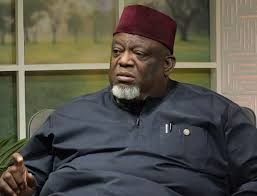
Joe Jackson, Chief Executive Officer of Dalex Finance, has cautioned that the Ghanaian cedi will continue to face pressure unless the country adopts structural reforms aimed at increasing usable foreign exchange.
Speaking at an event organized by the Chartered Institute of Marketing Ghana on April 1, 2026, Jackson challenged the widely held view that high import levels are the primary driver of currency depreciation. Instead, he pointed to deeper structural issues, particularly around ownership and retention of export earnings.
According to Jackson, Ghana recorded a trade surplus of more than $5 billion in 2024, yet the cedi continued to weaken. He attributed this to the fact that a significant portion of export revenue does not remain within the local economy. In key sectors such as oil and gas, Ghana reportedly retained only about 35 percent of export value, resulting in substantial outflows of foreign exchange.
He also highlighted the impact of profit repatriation by foreign-owned companies, along with payments for external services and debt servicing, all of which contribute to the loss of foreign currency from the domestic economy.
To address these challenges, Jackson called for a shift in policy direction focused on strengthening local ownership and value retention. He urged the government to renegotiate resource contracts to ensure a greater share of earnings remains in Ghana. Increasing local equity participation in industries such as gold, oil, and lithium was also identified as a key step toward reducing capital flight.
In addition, he emphasized the need to enforce local content policies more effectively, ensuring that technical and specialized services are carried out by Ghanaian firms rather than outsourced abroad. He argued that the country should move away from what he described as “economic charity,” such as small-scale grants, and instead focus on building strong indigenous companies capable of controlling significant portions of the value chain.
While the cedi showed signs of appreciation in early 2026, Jackson warned that these gains may be short-lived if structural issues are not addressed. Ghana continues to face a substantial debt burden, with approximately GH₵280 billion in debt servicing projected over the next four years.
Amid these challenges, President John Dramani Mahama has pledged to restore fiscal discipline through budgetary measures and broader economic reforms aimed at stabilizing the economy and strengthening the local currency.
Source: Omanghana