Omanghana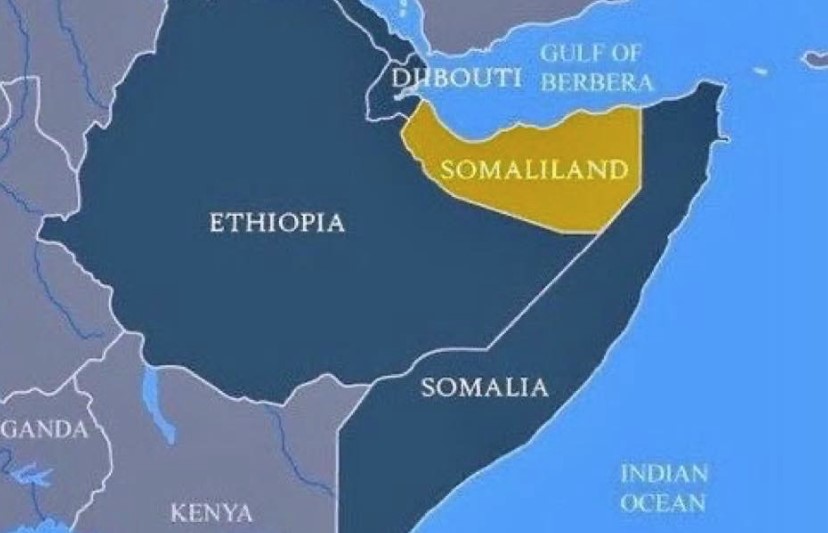
Somaliland’s long-standing quest for international recognition has entered a significant new phase, marked by a major diplomatic breakthrough and increased strategic positioning on the global stage.
In a historic development, Israel became the first United Nations member state to formally recognize Somaliland as an independent and sovereign nation. The recognition was announced on December 26, 2025, through a joint declaration by Israeli Prime Minister Benjamin Netanyahu and Somaliland President Abdirahman Mohamed Abdallahi.
Building on this momentum, Somaliland has also expressed its intention to join the Abraham Accords, signaling alignment with a broader regional framework supported by the United States. At the same time, it continues to maintain close diplomatic engagement with Taiwan, which established a representative office in Hargeisa in 2020.
Beyond diplomacy, Somaliland is leveraging its geographic and economic assets to strengthen its case for recognition. Central to this effort is the Berbera Port, a key maritime gateway along the Red Sea corridor. Managed by DP World, the port plays a critical role in regional trade, particularly for landlocked Ethiopia, and serves as an important node for maritime security.
In 2024, Somaliland signed a memorandum of understanding with Ethiopia that includes plans to lease a 20-kilometer stretch of coastline for the development of a naval base. In return, Ethiopia is expected to consider formal recognition of Somaliland, potentially becoming the first African nation to do so.
The region is also pursuing resource-driven diplomacy by promoting its mineral wealth, including lithium and coltan, to Western partners. This strategy aims to position Somaliland as a contributor to global green energy supply chains while deepening economic ties with international stakeholders.
Despite these advances, Somaliland continues to face strong opposition on the international stage. The Federal Government of Somalia has rejected the recognition as unlawful, describing it as a direct violation of its sovereignty.
Major multilateral bodies, including the African Union, Arab League, and the United Nations Security Council, have also expressed concern, warning that such moves could undermine regional stability and the territorial integrity of Somalia.
While some lawmakers in the United States have voiced support for Somaliland’s recognition, the official position of the U.S. State Department remains unchanged, continuing to affirm Somalia’s territorial integrity.
As Somaliland navigates this evolving diplomatic landscape, its combination of strategic partnerships, economic potential, and geopolitical importance is reshaping the conversation around its status in the international community.
Source: Omanghana