Omanghana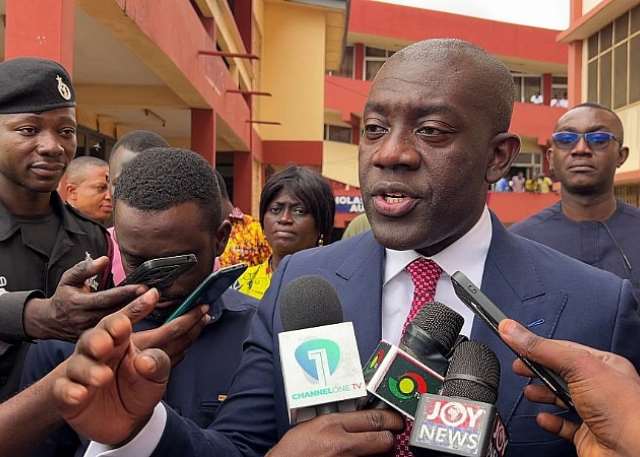
Ofoase-Ayirebi Member of Parliament Kojo Oppong Nkrumah has accused the National Democratic Congress (NDC) administration of merely relocating, rather than reducing, the cost of governance by expanding Ghana’s diplomatic appointments abroad.
The New Patriotic Party (NPP) lawmaker contends that although the government has promoted a smaller ministerial structure as evidence of fiscal discipline, savings at home are being offset by the creation of additional Deputy Ambassador and Deputy High Commissioner positions in foreign missions.
RTI Data Cited in Cost Analysis
According to Oppong Nkrumah, information obtained through a Right to Information (RTI) request from the Ministry of Foreign Affairs indicates that several senior political figures who were not appointed to domestic ministerial roles have instead been assigned to diplomatic posts overseas.
He argues that this approach does not eliminate expenditure but simply transfers it from one section of the national budget to another, while maintaining a substantial public payroll.
The MP also pointed to what he described as continued high spending under the Office of Government Machinery, asserting that the overall cost of administration remains inconsistent with claims of operating a lean government.
Breakdown of Alleged Diplomatic Costs
Referencing data reportedly provided by the Ministry of Foreign Affairs under RTI Case No. RTIC/AFR/25/2026, Oppong Nkrumah estimated that each Deputy Ambassador receives a monthly salary of approximately $7,000.
When housing, allowances, and other benefits are included, he claimed the total annual cost of maintaining a single deputy ranges between $150,000 and $170,000.
Based on his calculations, the appointment of 18 deputy heads of mission could add between $2.7 million and $3 million in recurring annual expenditure, amounting to more than $12 million over a standard four-year posting.
Questions Raised Over Institutional Efficiency
Oppong Nkrumah further argued that the appointments may duplicate responsibilities already performed by career foreign service officials.
He noted that many diplomatic missions already have professional Heads of Chancery responsible for administrative and operational functions, suggesting that adding politically appointed deputies could create overlapping management structures and increase staffing costs without corresponding operational benefits.
Government Defends Lean Administration Agenda
The government has rejected suggestions that its commitment to reducing the cost of governance is undermined by diplomatic appointments.
Supporters of President John Dramani Mahama maintain that the administration’s decision to reduce the number of ministers represents a genuine effort to streamline government and generate savings in domestic administration.
They have also cautioned against relying on historical salary estimates or politically motivated interpretations when assessing the impact of broader structural reforms aimed at improving efficiency across state institutions.
The debate over the true cost of governance is expected to remain a key issue in Ghana’s political discourse as both government and opposition continue to present competing assessments of public expenditure and administrative reform.
Source: Omanghana