Omanghana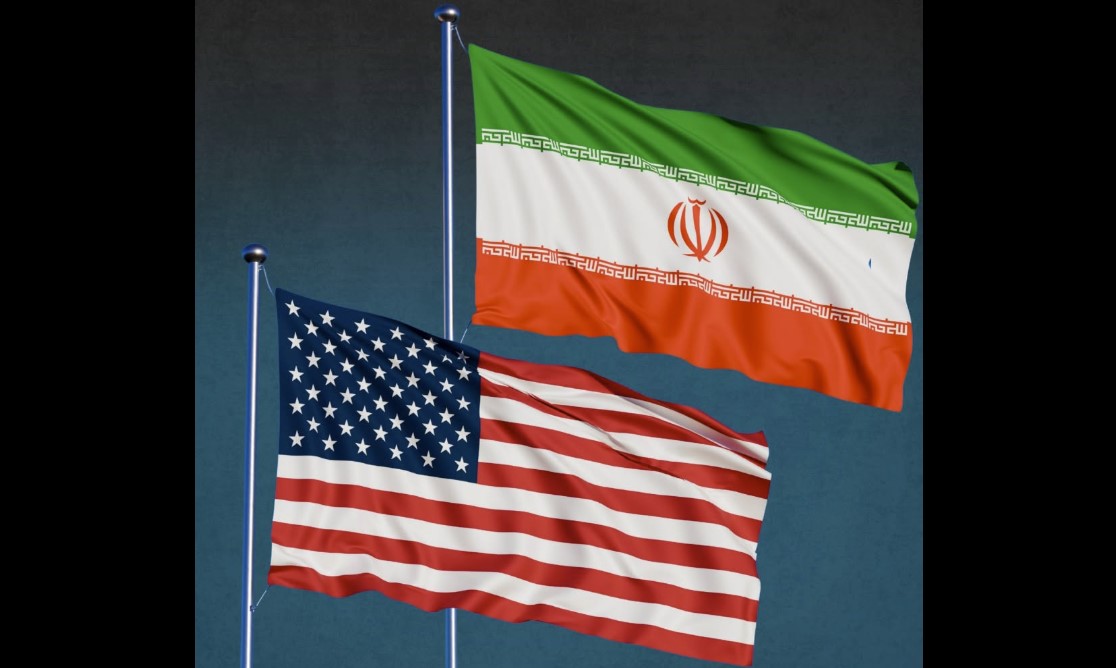
The United States and Iran have reached a preliminary framework agreement aimed at ending months of hostilities, extending their existing ceasefire by 60 days and creating a pathway for broader negotiations on a permanent settlement.
The agreement, reportedly endorsed electronically by U.S. President Donald Trump, Vice President JD Vance, and Iranian negotiator Mohammad Baqer Qalibaf, marks a significant diplomatic development following months of conflict. However, key aspects of the long-term arrangement remain unresolved, with officials from both sides offering differing interpretations of several critical issues.
Ceasefire Extended for 60 Days
Under the preliminary memorandum of understanding, the current ceasefire will remain in effect for an additional 60 days, providing negotiators with time to pursue technical discussions and work toward a more comprehensive peace agreement.
The extension is intended to prevent renewed hostilities while diplomatic teams address the underlying issues that fueled the conflict.
Strait of Hormuz Set to Reopen
One of the most consequential elements of the framework involves the reopening of the Strait of Hormuz, a strategically important maritime corridor through which a substantial share of the world’s oil shipments passes.
According to the agreement, Iran is expected to lift restrictions on commercial navigation beginning June 19, allowing shipping traffic to resume through the waterway. At the same time, the United States is expected to end its naval blockade affecting Iranian ports as part of reciprocal de-escalation measures.
The framework also calls for an immediate suspension of military operations by both sides while negotiations continue.
Key Issues Remain Unresolved
Despite progress on reducing tensions, several of the conflict’s most contentious issues have not been conclusively addressed.
Diverging Views on Shipping Arrangements
While U.S. officials have indicated that the Strait of Hormuz should remain open to commercial traffic without additional transit charges, Iranian statements have suggested that future arrangements involving the waterway could include joint oversight with Oman and possible fees for shipping after the 60-day negotiation period.
Disagreement Over Frozen Assets and Sanctions
Iranian representatives have reportedly argued that further technical negotiations should be linked to the release of a portion of the country’s frozen overseas assets.
U.S. officials, however, have maintained that sanctions relief or financial concessions would depend on Iran meeting specific non-proliferation commitments, highlighting an area of ongoing disagreement.
Nuclear Program Still Under Discussion
The future of Iran’s nuclear program also remains a major point of negotiation.
While previous U.S. positions called for the complete dismantling of Iran’s nuclear infrastructure, more recent statements have suggested that limited civilian nuclear enrichment could be considered under certain conditions. The status of Iran’s existing stockpile of highly enriched uranium has yet to be publicly clarified.
Regional Security Questions Persist
The situation in Lebanon continues to present a significant challenge to broader regional stability.
Although mediators involved in the negotiations have indicated that the framework envisions an end to military operations linked to the conflict, Israeli officials have stated that Israel was not a participant in the agreement and is therefore not bound by its provisions.
Some members of the Israeli government have publicly criticized the arrangement and reaffirmed their intention to continue security operations against Iran-backed Hezbollah where deemed necessary.
Formal Signing Planned in Geneva
A ceremonial signing of the reported 14-point framework agreement is scheduled to take place on June 19, 2026, in Geneva, Switzerland.
Vice President JD Vance and Special Envoy Steve Witkoff are expected to lead the U.S. delegation during the next phase of negotiations, with both sides seeking to use the 60-day window to establish the foundations for a longer-term peace agreement.
While the preliminary accord represents an important step toward de-escalation, major policy differences remain, and the success of the process will likely depend on whether negotiators can bridge outstanding disputes over security, sanctions, maritime access, and nuclear issues.
Source: Omanghana